Ninth Circuit Affirms Nevada Regulators' Oversight of Prediction Market Platforms
Gisela Peters · Aug 31, 2026

Ninth Circuit Affirms Nevada Regulators' Oversight of Prediction Market Platforms
The U.S. Ninth Circuit Court of Appeals issued a unanimous ruling on August 29 and 30, 2026 that allows Nevada gaming regulators to treat prediction market platforms like Kalshi as gambling operations subject to state oversight, and the decision denied Kalshi's request for an injunction that would have blocked those efforts. Observers note the 50-page opinion directly addresses sports-related event contracts offered on such platforms, and it aligns with similar state-level actions already underway elsewhere. The outcome provides a clear legal path for traditional casino operators to compete under established regulatory frameworks while prediction markets navigate new compliance requirements.
Details of the August 2026 Decision
Judges on the Ninth Circuit reviewed Kalshi's challenge after Nevada authorities moved to regulate certain contracts tied to sporting events and other outcomes, and the court found that state gaming laws extend to these platforms when they involve wagers on contingent events. The unanimous panel rejected the company's arguments for federal preemption or exemption, which means regulators can proceed with licensing, oversight, and enforcement actions without immediate court interference. Court documents reference specific provisions in Nevada statutes that define gambling broadly enough to cover event contracts, and the ruling emphasizes that platforms must comply if they offer products resembling traditional bets.
Attorneys for Kalshi had sought a preliminary injunction to halt state enforcement during ongoing litigation, yet the appellate court determined the company failed to show a likelihood of success on the merits or irreparable harm that justified such relief. This leaves the regulatory process intact, adn Nevada gaming officials can now require registration, impose operational standards, and monitor compliance for platforms that facilitate prediction-style trading on event outcomes.
Background on Kalshi and Prediction Markets
Kalshi operates as a prediction market platform where users trade contracts on real-world events, including political results, economic indicators, and sports contests, and the company had argued its products qualify as financial instruments rather than gambling. Nevada regulators countered that sports-related contracts fall squarely under state gaming jurisdiction, especially when they mirror the structure of sports wagers offered by licensed casinos. The Ninth Circuit's decision accepts that distinction for certain categories while affirming the state's authority to draw the line, and the opinion cites prior administrative interpretations that treat event contracts as wagers when participants risk money on uncertain outcomes.
Prediction markets have expanded rapidly in recent years with platforms attracting users interested in hedging or speculating on discrete events, yet this growth triggered pushback from established gaming states concerned about unregulated competition. Nevada's position, now upheld at the circuit level, treats these offerings as subject to the same rules that govern sportsbooks and other betting venues, which creates a uniform standard for operators regardless of their technological framing.
Connection to Broader State Regulatory Efforts
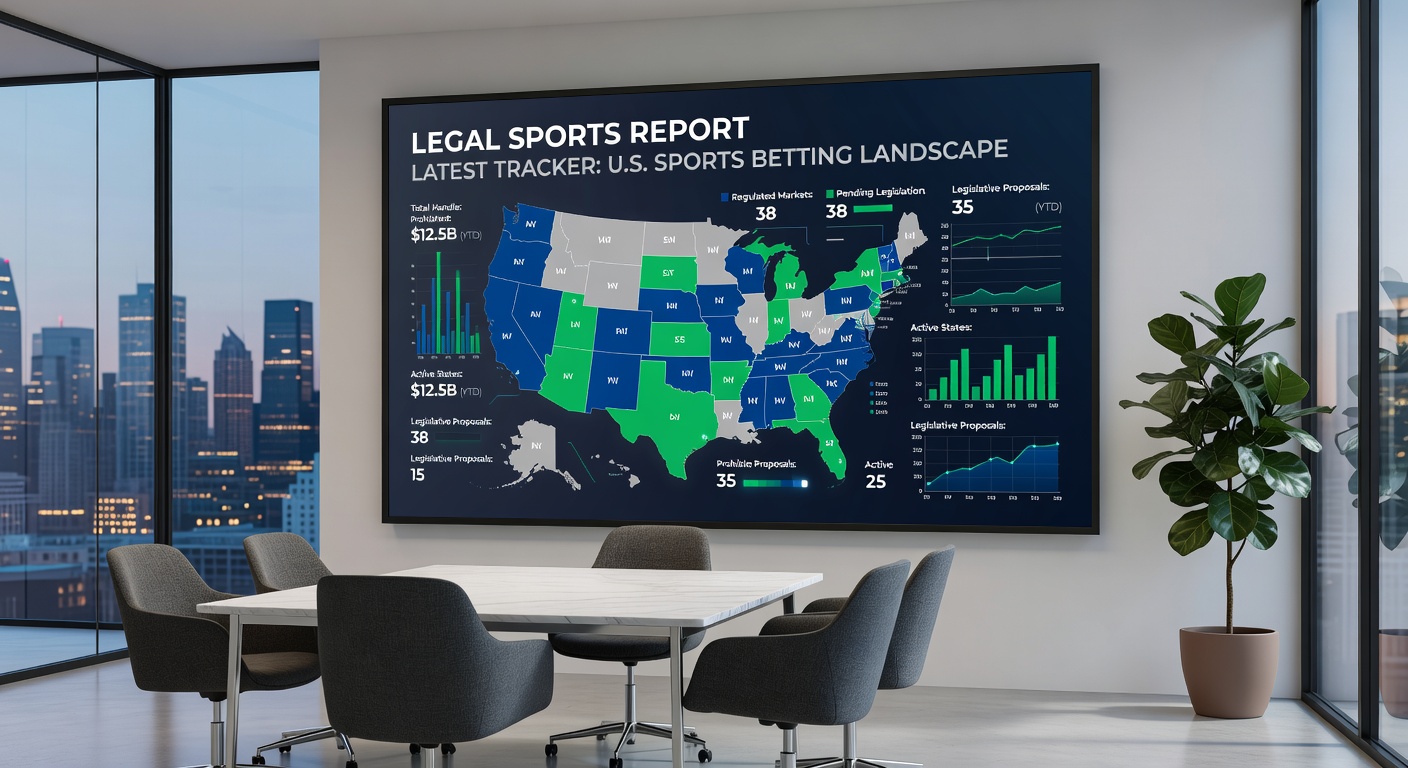
The Ninth Circuit ruling follows similar legal developments in other jurisdictions where state attorneys general or gaming commissions have asserted oversight over prediction market activity involving sports or entertainment events. Those parallel cases have produced injunction denials and regulatory guidance that require platforms to obtain licenses or restrict certain contract types, and the federal appellate decision reinforces the trend by rejecting attempts to carve out exceptions based on commodity or derivative classifications. Data from state filings show multiple enforcement notices issued in 2025 and 2026 targeting event contracts, which indicates regulators view these products as extensions of traditional gambling rather than distinct financial markets.
Traditional casino operators have tracked these developments closely because prediction platforms compete directly for customer attention on sports outcomes and other popular event categories, and the Ninth Circuit outcome preserves the licensing advantages that come with state approval. Regulators in Nevada and elsewhere can now move forward with rulemaking that applies existing gaming statutes to new platforms, while companies like Kalshi must either adjust product offerings or pursue further appeals to higher courts.
Industry Context and Next Steps
The decision arrives amid ongoing debates over how federal commodities law interacts with state gambling statutes, and the Ninth Circuit opinion clarifies that CFTC registration does not automatically shield platforms from state oversight when sports-related contracts are involved. Platform operators face choices about geographic restrictions, contract design, or licensing applications, while state agencies prepare implementation plans that include audits and reporting requirements. Observers point to the ruling's emphasis on the economic substance of the transactions rather than the platform's chosen terminology, which sets a precedent for evaluating similar products in future disputes.
Legal teams representing both sides continue to review the full opinion for potential en banc review or Supreme Court petition, yet the immediate effect keeps regulatory authority with the states and allows enforcement to proceed without delay. Casino industry groups have welcomed the clarity because it levels the competitive field under established rules, whereas prediction market advocates explore product modifications that might fall outside the scope of state gaming definitions.
Conclusion
The Ninth Circuit's August 2026 ruling solidifies Nevada's ability to regulate prediction market platforms offering sports-related event contracts, and it denies Kalshi the injunctive relief sought in the case. This development integrates with existing state actions across multiple jurisdictions and maintains the regulatory structure that applies to licensed gaming operators. Stakeholders on both sides now operate under clearer guidelines while litigation continues through additional appeals or administrative proceedings.