New York Officials File Lawsuit Against Kalshi Over Prediction Market Activities
Eden Lange · Jul 31, 2026

New York Officials File Lawsuit Against Kalshi Over Prediction Market Activities
Officials in New York announced a lawsuit this July against Kalshi, the New York City-based prediction market platform, and the filing accuses the company of running an illegal gambling business that violates state laws while the suit seeks to stop all operations within New York, secure restitution for consumers, require the forfeiture of profits, and impose fines that could reach three times the revenue generated inside the state.
The action comes from Attorney General Letitia James along with Governor Kathy Hochul, and it points to specific risks for users because the platform has allowed participation from individuals below the legal gambling age of 21; regulators note that such access creates exposure for younger users who lack the protections built into traditional gambling frameworks.
Details of the Legal Claims
State documents describe Kalshi as operating without proper licensing under New York gambling statutes, and the complaint outlines how the platform functions like a betting service by letting users wager on event outcomes even though federal regulators at the Commodity Futures Trading Commission have taken a different stance on prediction contracts; this difference sets up direct conflict because the state maintains that local laws still apply regardless of any federal designation.
The suit emphasizes consumer protection elements, including the need for refunds to affected New York residents and the recovery of all profits earned from state users, while penalties could multiply based on total revenue figures collected inside the jurisdiction since operations began.
Broader Regulatory Context
Prediction markets have recorded sharp increases in trading activity over recent periods, and trading volume on prediction markets has soared in recent months according to available figures, which places the New York case within ongoing tensions between individual states and the federal CFTC on oversight authority; several other jurisdictions have signaled similar concerns about whether these platforms fall under gambling rules or commodity regulations.
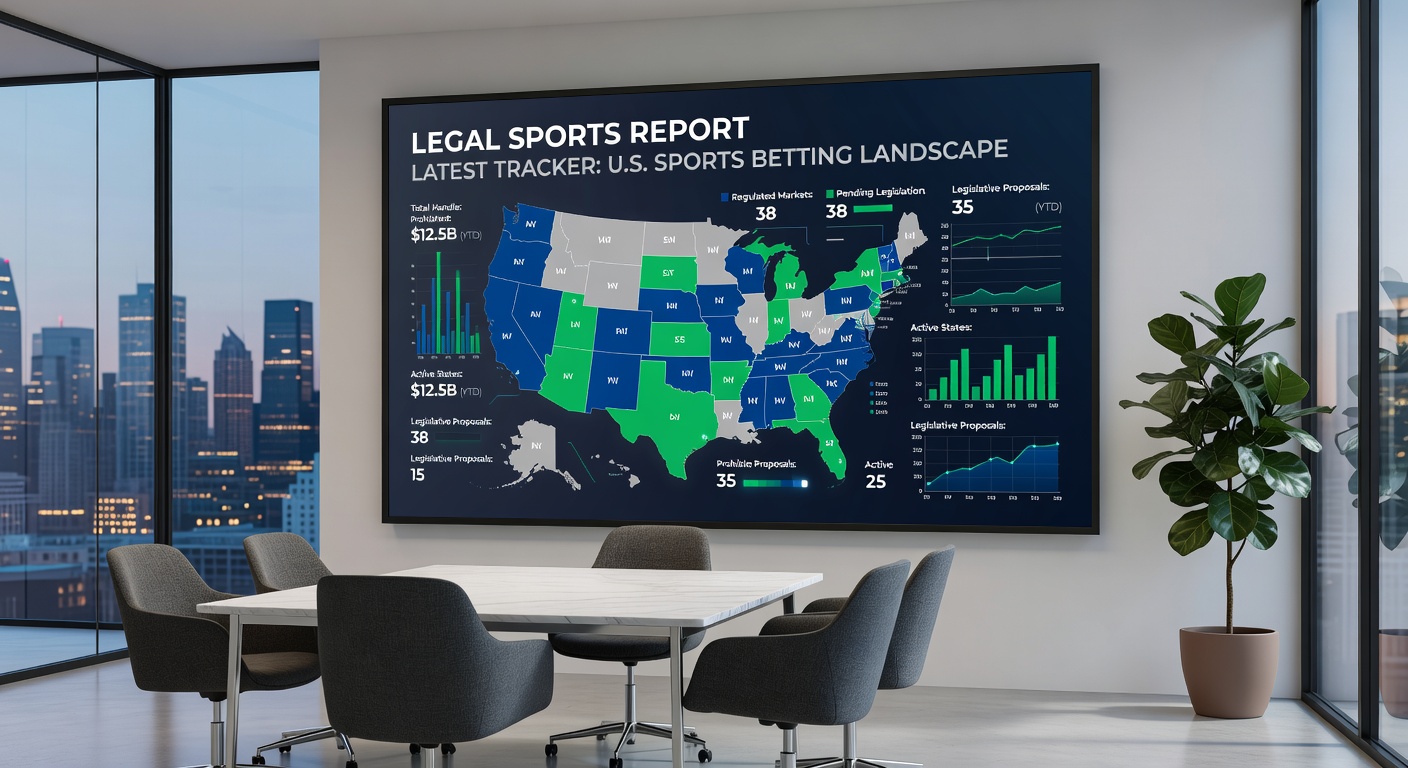
Observers note that the clash arises because prediction contracts often mirror traditional wagers on election results, sports events, or economic indicators, yet the CFTC has approved certain contracts while states retain power to enforce their own prohibitions; New York officials argue that this approval does not override state-level restrictions on unlicensed gambling enterprises.
Potential Outcomes and Enforcement Steps
If the court grants the requested relief, Kalshi would face an immediate ban on serving New York residents, and the company would need to establish mechanisms for returning funds plus surrendering earnings derived from state activity; fines scaled to three times revenue would add substantial financial pressure depending on the volume of transactions traced to New York accounts.
Enforcement could also involve ongoing monitoring requirements, and the state has indicated readiness to pursue additional measures if evidence surfaces of continued access by underage users or other violations; legal teams for both sides are expected to present arguments on whether federal preemption applies or whether state authority remains intact in this area.
Industry Reactions and Market Implications
Market participants have watched similar disputes unfold in other states, and the current filing draws attention to how platforms must navigate overlapping rules when offering contracts that resemble wagers; companies in the prediction market space now face uncertainty about which regulatory body holds primary control, and this uncertainty could affect expansion plans into additional jurisdictions.
Those tracking the sector point out that trading volume growth has drawn increased scrutiny from gambling regulators nationwide, and the New York case may serve as a reference point for future actions even as federal and state agencies continue to debate jurisdictional boundaries.
Conclusion
The lawsuit filed by Attorney General James and Governor Hochul centers on enforcement of New York gambling statutes against Kalshi, and it seeks concrete remedies including operational shutdown, financial restitution, profit forfeiture, and scaled penalties while highlighting age-related access concerns; the filing underscores persistent differences between state regulators and the federal CFTC on how prediction markets should be classified and supervised going forward.