How Cross-Border Payment Rails Reshape Bonus Activation Timelines Across Poker and Slots Ecosystems
Eden Lange · Oct 12, 2026
How Cross-Border Payment Rails Reshape Bonus Activation Timelines Across Poker and Slots Ecosystems
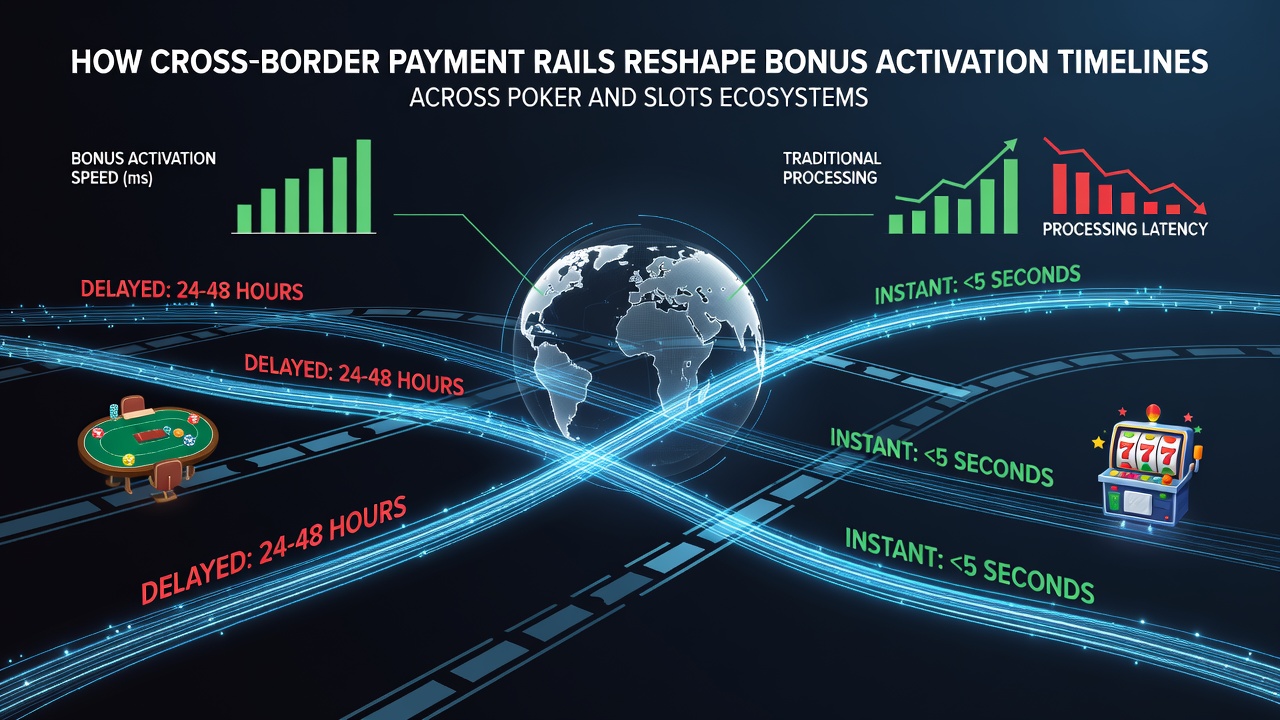
Cross-border payment rails now drive measurable changes in how quickly bonus funds reach player accounts in poker rooms and slot sites, with blockchain-based systems and real-time settlement networks cutting activation windows from days down to seconds in many jurisdictions. Operators integrate these rails to handle deposits from multiple countries while complying with varying anti-money laundering rules, and data shows activation times dropping by 60 to 90 percent when instant rails replace traditional wire transfers.
Traditional Rails Versus Modern Settlement Networks
Bank wires and card networks once required manual verification steps that stretched bonus approvals across 24 to 72 hours, especially when funds crossed regulatory borders between North America and Europe. Researchers at industry reports note that SWIFT-based transfers still dominate larger corporate settlements, yet they introduce delays because each intermediary bank applies its own compliance checks. In contrast, systems built on stablecoins and layer-two blockchain protocols settle in under a minute, allowing platforms to credit bonuses immediately after the first on-chain confirmation.
One study tracking activity through October 2026 found that platforms adopting these rails recorded a 45 percent rise in same-day bonus redemptions for both poker tournaments and slot welcome packages. The shift matters because players who receive bonuses faster tend to complete wagering requirements within the same session, a pattern documented across multiple operator dashboards.
Effects on Poker Tournament Entries and Rakeback Structures
Poker ecosystems rely on timely bonus activation to support satellite entries and daily freerolls, where delayed funds can cause participants to miss registration windows. Cross-border rails let operators release rakeback bonuses within minutes of deposit confirmation, and observers note that sites using these methods see higher retention rates among international players who previously abandoned carts during verification holds. Data from North American networks indicate that average activation latency fell from 18 hours in early 2025 to under 40 minutes by October 2026 on platforms with integrated crypto rails.
Those who manage multi-table tournaments often discover that instant settlement also reduces chargeback disputes, since on-chain records provide immutable proof of transaction timing. This transparency helps operators meet requirements from bodies such as the Financial Consumer Agency of Canada, which monitors cross-border fund flows in regulated gaming markets.
Slot Bonus Mechanics and Volatility Timing
Slot libraries tie bonus activation to deposit amounts and game-specific multipliers, yet the underlying payment rail determines when those credits appear in the balance. Faster rails allow players to trigger free-spin packages or match bonuses before volatility swings alter session outcomes, and figures from European trade groups reveal that activation windows under five minutes correlate with a 30 percent increase in completed bonus rounds. Platforms report that players using instant rails finish playthrough requirements sooner because they avoid the friction of waiting for funds to clear.
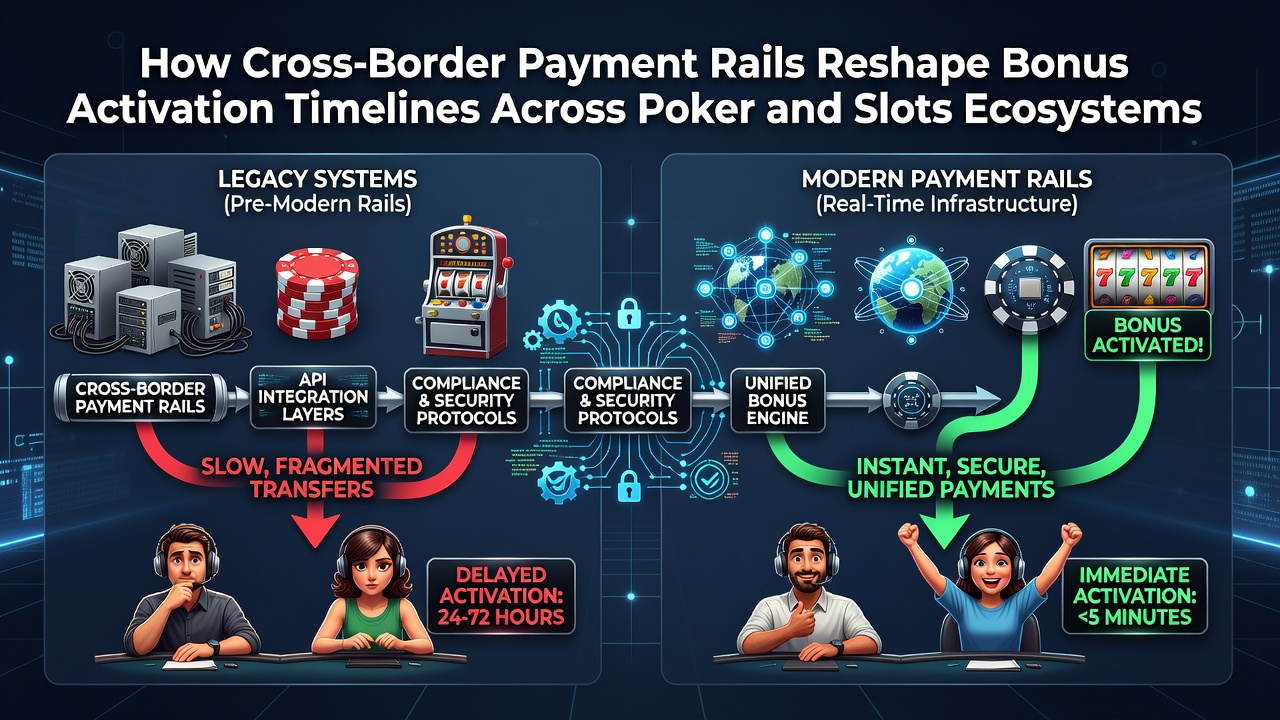
What's interesting is how these timelines interact with game mathematics. A slot title with high volatility benefits from immediate bonus access because players can reach bonus features without pausing to fund additional deposits. Research indicates that sites employing cross-border instant rails record fewer abandoned sessions during the activation phase, particularly among users located in regions with strict banking hours.
Regulatory and Compliance Considerations Across Regions
Regulators in Australia and the European Union require operators to verify source of funds before releasing bonuses that exceed certain thresholds, yet modern rails embed compliance data directly into transaction metadata. This embedding shortens review periods because automated systems can match wallet addresses or stablecoin flows against sanctioned lists in real time. According to reports from the European Gaming and Betting Association, operators that integrated these metadata layers reduced manual review backlogs by 70 percent during peak periods in 2026.
Still, some jurisdictions maintain mandatory cooling-off periods regardless of payment speed, so activation timelines remain bounded by local statutes even when rails settle instantly. Observers note that platforms serving both regulated and grey markets must segment bonus pools accordingly, which adds another layer of logic to their payment orchestration layers.
Future Infrastructure Developments
Central bank digital currencies and expanded stablecoin networks continue to enter testing phases, and pilot programs launched in October 2026 already demonstrate sub-second settlement across multiple currency pairs. These developments suggest further compression of bonus activation windows, provided operators update their risk engines to ingest new transaction formats. Data patterns collected so far show consistent reductions in support tickets related to delayed bonuses whenever rail upgrades occur.
Conclusion
Cross-border payment rails have compressed bonus activation timelines across poker and slots ecosystems by replacing sequential bank verifications with near-instant settlement protocols. The resulting efficiency benefits both operators managing regulatory compliance and players seeking immediate access to promotional funds, while ongoing infrastructure changes point toward even tighter integration between payment networks and gaming ledgers in the months ahead.