Evolution of Data Models Shaping Live Casino Player Forecasts
Eden Lange · Oct 26, 2026
Evolution of Data Models Shaping Live Casino Player Forecasts
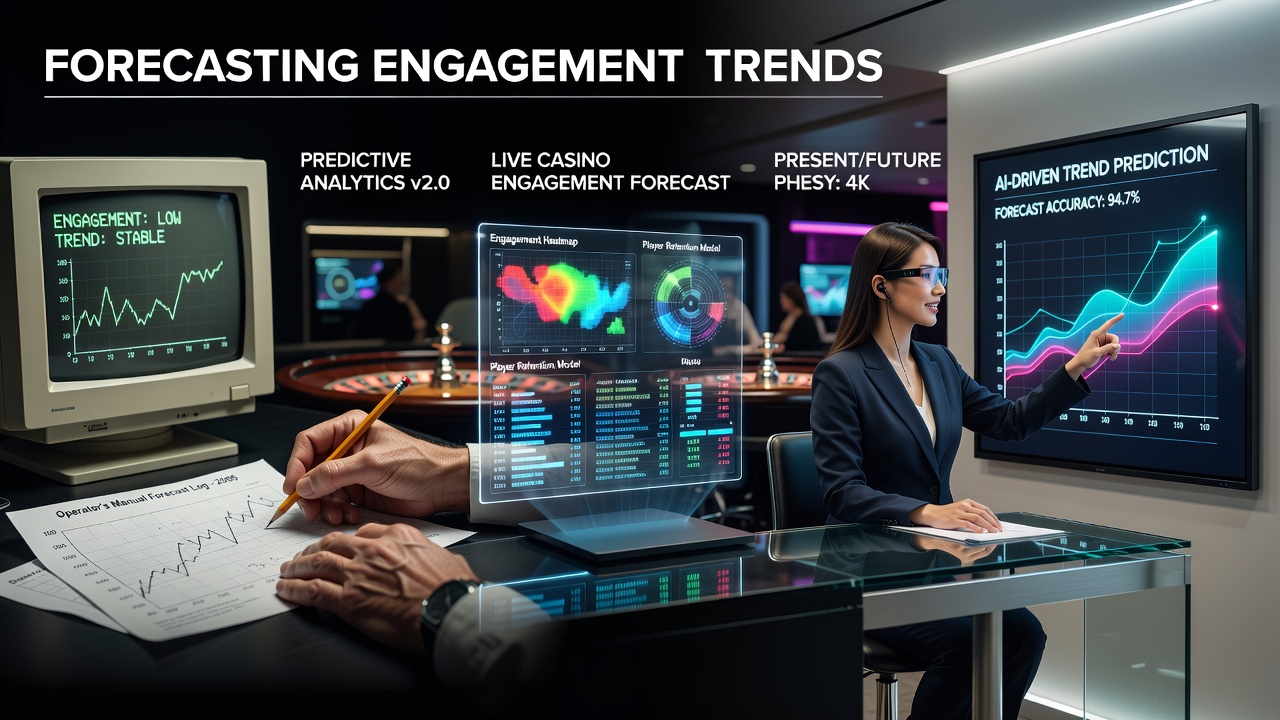
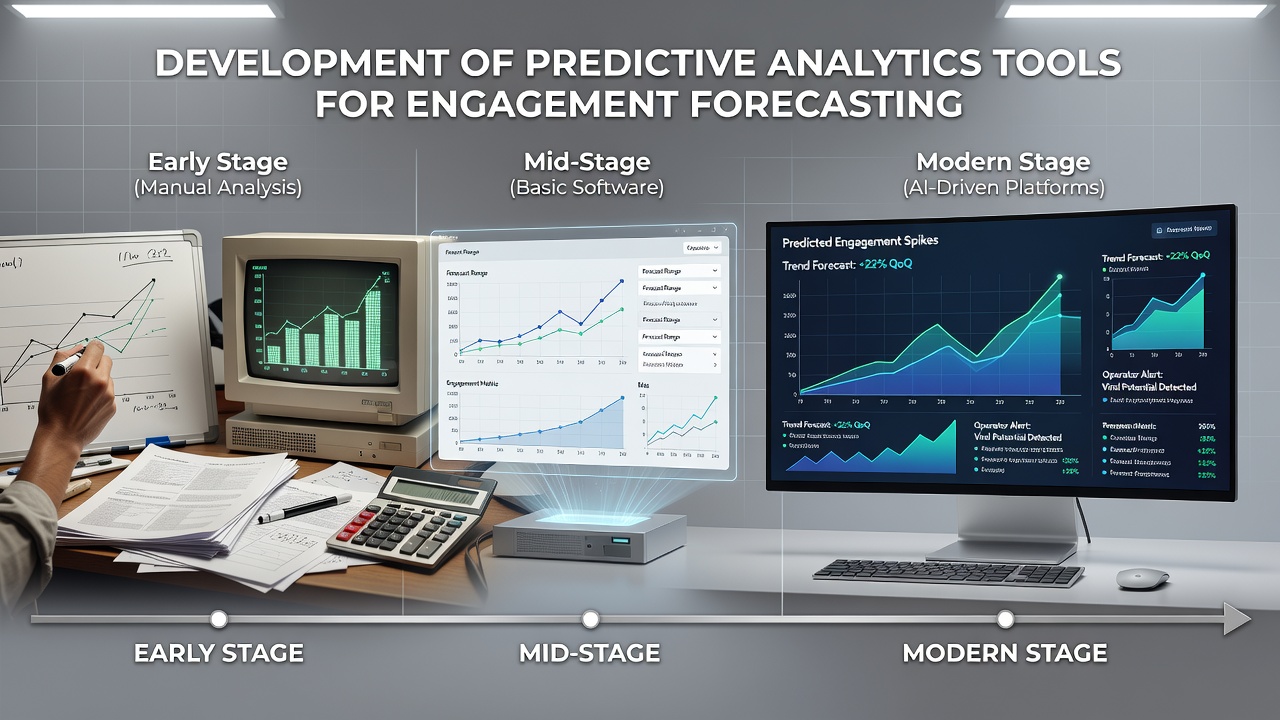
Operators began collecting basic session data in the late 1990s through simple transaction logs that tracked bet sizes and game selections across early online platforms, yet these records offered limited insight into future behavior until statistical methods advanced in the mid-2000s.
Researchers at several universities started applying regression analysis to historical play patterns during that period, and operators quickly adopted those techniques to estimate average session lengths with greater accuracy, while live dealer environments introduced additional variables such as table occupancy rates and dealer rotation schedules that required more sophisticated modeling.
Early Integration of Machine Learning Techniques
By 2010 many platforms had shifted from basic spreadsheets to machine learning frameworks that processed real-time streams of player actions, and these systems incorporated decision trees to segment users according to risk tolerance and preferred game types, which allowed operators to adjust promotional offers before engagement dropped.
Studies from European research institutions demonstrated that clustering algorithms could identify groups likely to reduce activity within 48 hours, and operators applied those findings to live casino sections where interaction data from chat features and betting speed provided richer signals than static slot metrics alone.
Expansion Through Real-Time Data Streams
Cloud computing services became widely available around 2015, enabling continuous processing of video feeds and sensor data from live tables, while operators combined these inputs with mobile app telemetry to forecast peak hours and staffing needs, and this integration reduced response times from hours to minutes when engagement signals changed.
One operator in a major North American market used these combined datasets to predict a 23 percent decline in table game participation during specific weekday slots, and subsequent adjustments to bonus structures maintained revenue levels according to internal performance reports.
Current Capabilities in 2026
Neural network models now dominate live casino forecasting tools, and these systems analyze thousands of variables simultaneously including biometric indicators from optional player tracking wearables along with traditional betting histories, while updates released in October 2026 incorporated new privacy-compliant data layers from regulated markets in Canada and Australia that improved forecast precision by measurable margins.
According to figures released by the American Gaming Association, operators employing these advanced models reported average increases in player retention metrics of 14 percent over the previous two years, and similar patterns appear in reports from the European Gaming and Betting Association covering multi-jurisdiction deployments.
What's notable is how edge computing devices installed at physical casino floors now feed live data into the same predictive engines used for online live dealer streams, creating unified views that operators rely on for cross-channel campaign timing, and academic papers from institutions in Singapore have validated the approach through controlled comparisons of pre- and post-implementation engagement curves.
Implementation Patterns Across Markets
Smaller operators often license modular analytics suites rather than building custom systems, whereas larger groups maintain in-house data science teams that fine-tune algorithms for regional preferences such as higher blackjack participation in certain European markets versus baccarat dominance in Asian-facing platforms, and both approaches draw on shared industry benchmarks updated quarterly.
Training datasets now include anonymized records spanning multiple years, which allows models to account for seasonal events like major sporting tournaments that indirectly affect live casino traffic, and those who manage these systems note that retraining cycles have shortened from quarterly to monthly intervals as computational costs declined.
Conclusion
The progression from basic logging to integrated neural forecasting has equipped operators with tools that anticipate engagement shifts across live casino environments with increasing reliability, and continued refinement through 2026 reflects broader adoption of privacy-respecting data practices alongside expanded regulatory oversight in multiple regions.